


FoilSnap: TCG Card Identifier
4.7391.00 Reviews
App Specs
- Version
- 1.2.1
- Updated On
- License
- Free
- Downloads
- 100,000+
- Developer
- Next Vision Limited
- Categories
- Tools
- Platform
- Android
Screenshots

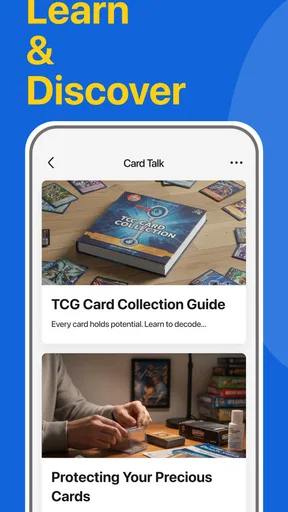

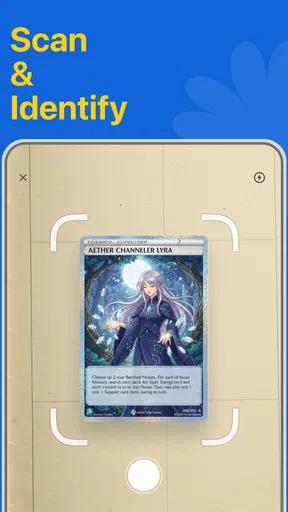
 Analysis by AppCompare
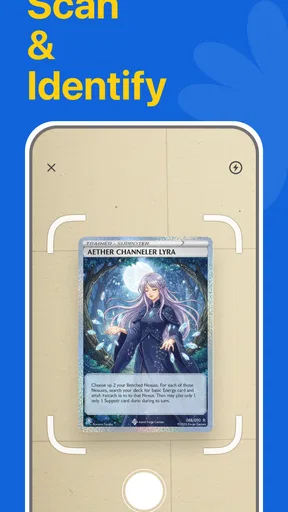
I approached FoilSnap: TCG Card Identifier as a practical tool for collectors rather than as a simple novelty scanner. Its purpose is clear: help identify trading cards, estimate their market value, and bring some order to a collection. That combination is useful because those tasks usually involve switching between a camera, search pages, price references, and a spreadsheet or binder system. FoilSnap tries to put the first part of that process in one place.
My overall impression is that it makes the most sense for someone who regularly handles cards and wants a quicker starting point when sorting them. It is not a replacement for careful verification, especially when a card has several printings or when condition changes the price dramatically. Still, the app has a focused role, and the fact that it is free to install makes it easy to test before deciding whether its optional purchases fit your habits.
How FoilSnap fits into a collector’s routine
The app comes from Next Vision Limited and sits in the tools category. Its audience is broad enough to include casual owners who inherited a box of cards, active collectors building a catalog, and sellers who need to process cards before listing them. The Everyone age rating also makes the basic concept approachable for families sorting cards together, although younger users may still need help understanding market values and condition.
In everyday use, I would begin with a small batch rather than pointing the camera at an entire pile. A card identifier is most helpful when the card is reasonably visible and the result can be checked against the physical copy in your hand. After identification, I would confirm the set, language, rarity, number, and finish before treating the displayed value as a useful reference. That extra pause is important because a foil, alternate artwork, promotional release, or reprint can look close to another version while having a different market position.
The strongest workflow is therefore not “scan and sell.” It is “scan, inspect, organize, then compare.” FoilSnap can reduce the tedious first pass, but the collector remains responsible for matching the digital result to the exact card. The app is best used as a sorting assistant, not as an automatic appraisal authority.
What the first scan is really good for
The most convincing use case is a collection whose contents are only partly known. Imagine finding several storage boxes after moving house. Manually searching every card would be slow and discouraging, while scanning them one by one gives you a sensible way to create an initial inventory. You can separate obvious duplicates, identify cards worth closer inspection, and leave common cards for a later session.
This approach also works after a trading event. Instead of trying to remember what you received, you can process the new cards while the details are still fresh. I would keep cards from the same trade together until each one had been checked, then place them into the collection according to set or personal category. That reduces the risk of mixing an unidentified card with a similar duplicate.
Worth Reading Before You Choose

EA SPORTS FC Mobile 26 Is a Bigger Football Game, but It Takes Time

Flipboard Shows What News Apps Must Do Beyond the Feed

Switching to Android Auto Means Rethinking Your Driving Routine

Google Calendar Makes a Crowded Week Easier to Manage

Ludo King Makes the Most of the Minutes Between Plans

Baby Panda World Brings Quick Play to Modern Phones, but Its Game Library Feels Busy
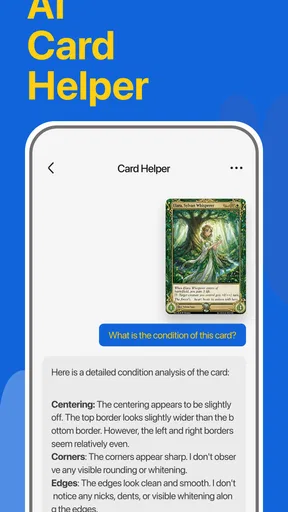
For a seller, the benefit is mainly triage. FoilSnap can help decide which cards deserve individual attention and which ones can be grouped. It does not remove the need to inspect corners, edges, surface, centering, language, and edition. A market estimate without condition context can create unrealistic expectations, so I would use the app to prioritize research rather than to promise a selling price.
Speed expectations without unrealistic promises
The app’s perceived speed will depend heavily on the card, lighting, camera focus, and the amount of correction needed after a scan. A clear card with readable artwork should be easier to process than a scratched, sleeved, reflective, or partially hidden one. Foil surfaces are particularly likely to demand patience because glare can obscure the details an identifier needs.
For that reason, I would prepare a simple scanning area before starting a large session. A flat surface, even lighting, and cards removed from distracting backgrounds should make the process feel more consistent. I would also avoid rushing through a stack simply to maximize the number of scans. A wrong identification creates more work later than a careful second attempt does at the beginning.
FoilSnap is currently at version 1.2.1, so I see it as a relatively focused tool that may continue to benefit from refinement. I would judge its speed by the complete cycle: presenting the card, checking the result, correcting mistakes, and saving the useful information. A fast initial recognition is less valuable if the surrounding organization step feels confusing.
There is also a practical difference between identifying a card and obtaining a trustworthy value. Identification can be quick, while value interpretation requires context. The app may help surface a market reference, but the number should be treated as a current guide rather than a guaranteed outcome. Prices move, and the condition of the particular copy remains decisive.
Where heavy collection sessions create friction
Light use and heavy use are different experiences. Scanning a few cards before putting them away is a modest task. Processing a large inherited collection, a tournament haul, or years of unsorted purchases is more demanding because every small uncertainty accumulates. Even if individual scans feel straightforward, repeated confirmation and correction can become the real bottleneck.
My advice is to work in short, clearly separated batches. I would group cards by game, set, or physical storage box before opening the app. That makes unexpected results easier to spot and gives the collection a logical structure from the start. It also helps when a card cannot be identified immediately: instead of stopping the entire session, I can place it in a review pile and continue with the cards that are clearer.
A second useful habit is to photograph or inspect unusual cards separately. Foils, special finishes, foreign-language cards, and cards with similar artwork deserve their own verification step. Treating every result as equally certain is the quickest way to introduce errors into a collection. The app’s convenience is most valuable when it supports a disciplined workflow rather than replacing one.
Large sessions may also expose the limits of attention. Even a stable tool cannot prevent a tired user from accepting the wrong result or overlooking a duplicate. I would stop periodically and compare the digital organization with the physical piles. This is especially important if the collection will later be insured, sold, traded, or passed to someone else.
Reliability means checking the physical card
FoilSnap has a strong rating signal, with a 4.7 average from around twenty-two thousand ratings. That suggests many users find the concept and general experience worthwhile, but it should not be confused with a guarantee that every difficult card will be recognized correctly. A rating reflects the overall product experience, while an individual scan can still need correction.
I would build reliability checks into the process. First, compare the displayed name and artwork with the card. Next, check the set symbol, collector number, language, and finish. Finally, look at the physical condition before using any value as a decision point. This three-stage check is more useful than simply trusting the first match, and it protects against mistakes that are easy to miss when two editions look nearly identical.
Recovery matters too. When a scan fails or produces an uncertain match, the best response is not to force the result into the collection. Set the card aside, improve the lighting, remove a reflective sleeve if appropriate, and try again. If the same card remains troublesome, manual research through the game’s reference material or a specialist marketplace may be better. FoilSnap saves time when it works within its strengths; it should not become a reason to stop verifying an important card.
I also recommend keeping the physical collection organized in parallel. Digital records are helpful, but a card can be misplaced, traded, or moved between binders. A simple box label or batch note gives you a recovery path if the digital record later needs correction. This is a small habit, but it becomes valuable when working through many cards over several days.
Market value is a starting point, not a promise
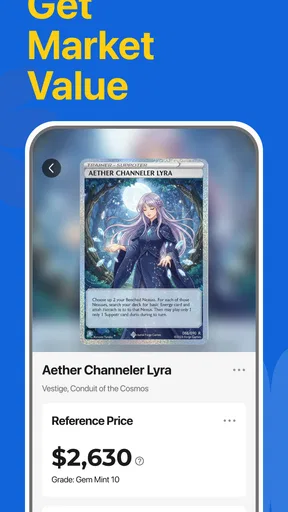
The value feature is attractive because it connects identification with the question most collectors ask next: “Is this worth checking more closely?” That can make sorting much more efficient. I would use it to create tiers, such as cards for immediate inspection, cards for normal storage, and cards that are probably better kept as bulk.
However, an estimated market value should never be read without considering condition and version. A near-mint card and a visibly played copy may belong to very different selling conversations. The same applies to a card with a special finish or an edition that resembles a more common release. FoilSnap can point me toward the right research path, but I would still compare the physical details and look at realistic sale conditions before setting a price.
This is also where the app may not suit every user. If you only want a definitive grading or professional valuation, a scanner app is the wrong category of tool. A specialist service or experienced dealer is more appropriate for high-stakes decisions. FoilSnap is more useful for discovery, cataloging, and deciding where to spend deeper research time.
Organization is the feature that can save the most time
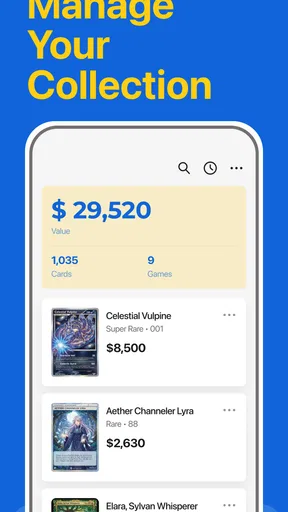
Identification gets attention, but collection organization may have the longer-term benefit. Once cards are recorded, the value of the app depends on whether the collection remains understandable after the initial excitement. I would treat each scan as part of a larger inventory project: keep duplicates recognizable, separate cards awaiting verification, and avoid mixing confirmed information with guesses.
A particularly useful workflow is to create a “needs review” group outside the main collection whenever a result looks questionable. That prevents uncertain cards from contaminating the rest of the catalog. Afterward, I could revisit that group with better lighting or more information. This is more reliable than repeatedly editing the main collection every time a card produces an ambiguous result.
Another practical tip is to organize around how you actually retrieve cards. If you trade by set, sort by set. If you build decks, a game or deck-based structure may be more useful. If you sell, a condition and listing-status workflow may matter more. The app can support organization, but the best arrangement comes from the collector’s next action, not from a visually neat catalog that is difficult to use later.
Device limits and resource expectations
FoilSnap requires at least Android 9, which keeps it accessible to many existing devices while still excluding older phones and tablets. On a supported device, the camera remains the central constraint: focus quality, lighting, screen visibility, and physical handling will affect the experience more directly than raw processing power in many situations.
I would avoid judging the app in a dim room or with a smudged lens. Those conditions can make a capable identifier appear unreliable. Sleeves can also introduce reflections, so changing the card angle or using softer light may help before assuming the app has failed. These adjustments are simple, but they make a noticeable difference during repeated scanning.
Resource demands are most relevant during long sessions. I would begin with a reasonably charged device, close unrelated camera-heavy apps, and avoid starting a large cataloging project when the phone is already struggling. I cannot treat every device as identical, so my practical recommendation is to test a small batch first. If the phone becomes warm, slow, or inconsistent, divide the work into shorter sessions rather than forcing the entire collection through at once.
The app is free to install, while in-app purchases range from $7.99 to $39.99 per item. That makes a trial sensible, but I would not buy anything until I knew how well the identification and organization process matched my collection. Occasional users may get enough value from limited use, while serious collectors should consider whether the paid options save enough time to justify their cost over repeated sessions.
Who should use it, and who should skip it
I would recommend FoilSnap to collectors who want a faster first pass through physical cards, people rebuilding an inventory, and sellers who need help prioritizing research. It is also a good fit for someone who enjoys collecting but dislikes manually searching every card before deciding where it belongs.
I would be more cautious recommending it to a user who owns only a few cards and already knows their exact identity and value. In that situation, manual lookup may be just as quick. I would also steer professional graders, high-volume dealers, and collectors handling especially valuable cards toward a workflow that includes specialist verification. The app can support those users, but it should not be the only authority behind an expensive decision.
Privacy-conscious users should make their own comfort judgment before using any camera-based tool, particularly when scanning cards in a shared environment. I would keep the camera pointed only at the cards and avoid including personal documents or identifying objects in the frame. That is sensible camera hygiene regardless of the app, and it keeps the session focused.
My performance verdict after weighing the trade-offs
FoilSnap feels most valuable when it reduces the boring beginning of collection management. Its combination of card identification, market-value guidance, and collection organization gives me a clear workflow for turning an unsorted pile into something I can review. The strongest results should come from good lighting, deliberate batches, and a willingness to verify unusual matches.
Its stability and speed should be judged realistically. A clean, recognizable card is the ideal case; reflective finishes, obscure variants, poor lighting, and long sessions introduce friction. Recovery is straightforward when the user treats uncertain results as pending work instead of forcing them into the catalog. That mindset makes the app more dependable because it leaves room for human judgment.
The product has attracted over one hundred thousand installs, and its high average rating indicates that the approach resonates with many users. Those figures make it worth trying, but they do not change the central trade-off: convenience is highest for broad sorting and discovery, while precision still requires inspection. The current version, 1.2.1, is a sensible starting point for testing that balance on a compatible device.
In the end, I would install it if I had a growing collection, a box of unidentified cards, or a regular need to prepare cards for trades and listings. I would start with a small batch, learn how it handles my particular card types, and only then decide whether the optional purchases are worthwhile. FoilSnap earns its place as a practical first-pass tool when it speeds up organization without pretending to replace collector knowledge.
Pros
- Quickly identifies many trading cards using the phone camera.
- Useful for checking card details while sorting a collection.
- Can help estimate market values before buying or selling.
- Saves time compared with searching card names manually.
- Convenient companion for collectors at shops
- events
- or trades.
Cons
- Recognition may fail with glare
- damaged cards
- or unusual artwork.
- Price estimates can vary from current marketplace listings.
- Some features may require a subscription or in-app purchase.
- Results depend on the quality and completeness of its card database.
- Camera access and collection data may raise privacy concerns for some users.
FAQs for FoilSnap: TCG Card Identifier
What is FoilSnap: TCG Card Identifier used for?
FoilSnap: TCG Card Identifier is designed to help trading card game players recognize and organize cards using a smartphone camera. After taking or uploading a picture, the app attempts to identify the card and may provide related information such as its name, set, rarity, or estimated market value. It can be useful for sorting collections, checking cards during trades, and researching cards without manually typing every detail.
How accurate is FoilSnap when identifying trading cards?
The app can be convenient for quickly identifying cards, but its results should not be treated as guaranteed. Recognition may be affected by glare on foil cards, damaged surfaces, unusual artwork, poor lighting, camera focus, card language, or cards from less-supported sets. We recommend checking the displayed name, set symbol, collector number, and edition before relying on the result, especially when confirming a valuable card or making a purchase.
Which trading card games and cards are supported?
Support can vary depending on the app’s current database and updates. FoilSnap is intended for trading card identification, but not every game, expansion, language, promo, alternate artwork, or regional printing will necessarily be recognized correctly. Before downloading, collectors should review the latest app description and update notes to confirm whether their preferred games are included. Newly released cards may also take time to appear in the database.
Can FoilSnap estimate the value of my cards?
FoilSnap may display pricing or market-related information for cards it successfully identifies, which can be helpful for getting a quick idea of a collection’s potential value. However, estimates can change frequently and may differ according to condition, language, edition, grading, seller, location, and current demand. Treat any price shown as a reference rather than a guaranteed selling price, and verify important valuations through reputable marketplaces.
Does FoilSnap require internet access or special permissions?
Because card recognition and database lookups may rely on online services, an internet connection could be necessary for some or all features. The app will also need camera access if you want to scan cards directly, while photo-library access may be requested for images already stored on your device. Review the permission prompts carefully, and check the developer’s privacy policy to understand how images and collection data are handled.


